




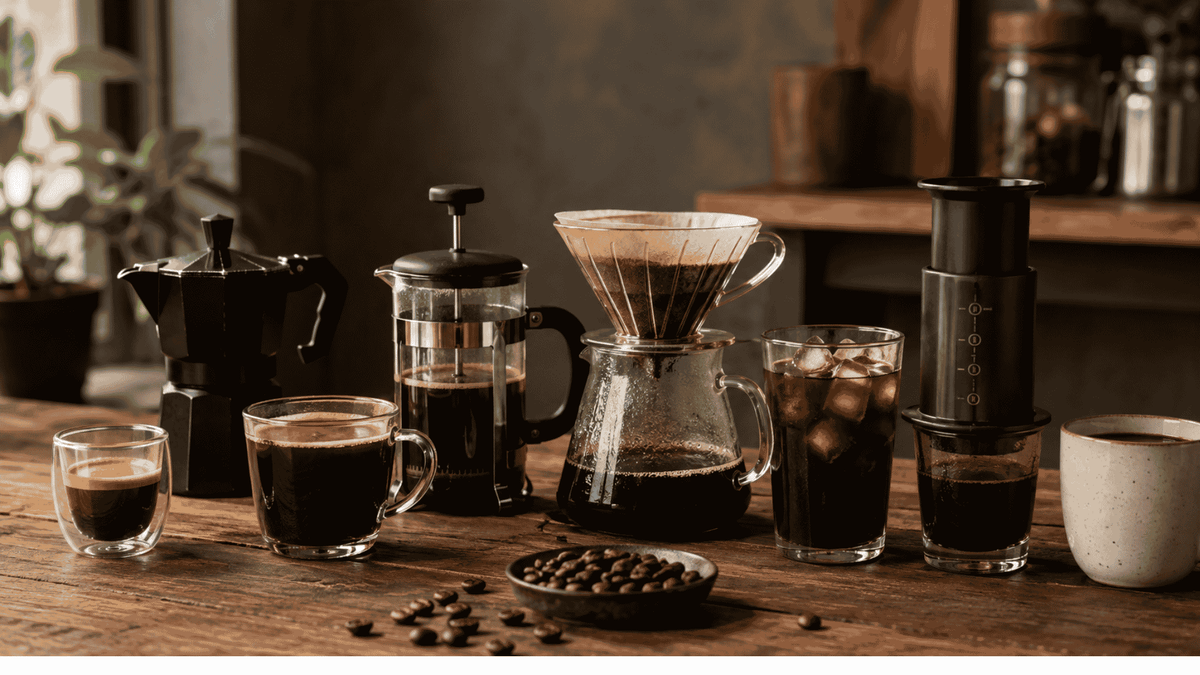
Espresso is usually the strongest answer when “strong” means a short, concentrated, and intense-tasting coffee. Moka pot is a good alternative when you want a bold stovetop cup without a full espresso setup. But strength can also mean total caffeine in one serving, and there is no universal winner on that measure. Coffee dose, bean type, beverage yield, and dilution matter as much as the brewing method. This guide compares six popular methods and shows how to make coffee taste stronger without making it bitter.
Quick Answer: Which Method Makes the Strongest Coffee?
|
What You Mean by “Strong” |
Best Starting Point |
Why |
|
The most concentrated flavor |
Espresso |
A small beverage with a dense, intense flavor profile. |
|
A bold cup without an espresso machine |
Moka pot |
A stovetop method that produces a strong, compact coffee. |
|
More caffeine in one full serving |
It depends on the recipe |
Dose, cup size, bean type, brew yield, and dilution all matter. |
|
Smooth but concentrated iced coffee |
Cold brew concentrate |
It can be brewed strong and diluted gradually to taste. |
For the Most Concentrated Flavor, Choose Espresso
If you mean coffee that tastes dense, concentrated, and intense, espresso is generally the clearest answer. It is brewed as a small beverage, so its flavor and body are presented in a compact format. Espresso is not automatically the highest-caffeine choice in total: a larger drip coffee or cold brew can contain more caffeine depending on the recipe and serving size.
For technique and recipe variables, see OutIn’s espresso brewing guide.
For Bold Stovetop Coffee, Choose Moka Pot
Moka pot is a strong option for people who enjoy a rich, roasted cup but do not want a full espresso machine. It uses steam pressure to move water through coffee and produces a more concentrated stovetop brew than standard drip coffee. The result is not the same as espresso, but it can be a practical choice for a small kitchen, a bold coffee base for milk drinks, or a compact daily routine.
Caffeine Per Serving Needs Its Own Comparison
Do not rank brewing methods by caffeine with one fixed list. The FDA notes that caffeine amounts can vary by product and container size, and coffee recipes vary further by dose, bean type, final beverage volume, and dilution. A one-ounce espresso, a 12-ounce drip coffee, and a cold brew concentrate are different beverages, so they should not be presented as interchangeable servings.
Coffee Brewing Methods Compared at a Glance
|
Method |
Typical Taste |
Body |
Strength Impression |
Best For |
|
Espresso |
Intense, concentrated, aromatic |
Dense |
Very concentrated |
Short, bold coffee |
|
Moka pot |
Rich, roasted, bold |
Medium-heavy |
Strong |
Espresso-style drinks at home |
|
French press |
Full-bodied, textured |
Heavy |
Rich rather than concentrated |
People who enjoy body and oils |
|
Drip coffee |
Clean, balanced, familiar |
Medium |
Moderate |
Everyday larger cups |
|
Cold brew |
Smooth and mellow |
Medium |
Recipe-dependent |
Iced coffee and batch brewing |
|
AeroPress |
Highly adjustable |
Adjustable |
Recipe-dependent |
Flexible single-cup brewing |
The same principle matters for hot and cold coffee comparisons: brew strength and extraction are not the same variable. The Specialty Coffee Association explains that brew ratio is a major control for total dissolved solids, while extraction is a separate measure. That is why a coffee can taste strong without simply being “more extracted.”

Espresso and Moka Pot: Concentrated Cups
Choose espresso when you want a short, intense coffee with a concentrated body. Choose Moka pot when you want a larger, bold cup with an espresso-like direction but without a countertop machine. Both are stronger-tasting than a typical large mug of drip coffee, but they should not be described as identical drinks.
French Press and AeroPress: More Body or More Control
French press can taste strong because its metal filter allows more oils and fine particles into the cup, creating a heavier body. AeroPress is different: its result depends on the recipe. You can use a paper-filter recipe for a cleaner cup or use a tighter ratio for a more concentrated single serving. Neither method is automatically stronger than the other; the dose and recipe decide the final cup.
Drip and Cold Brew: Larger Cups, Different Trade-Offs
Drip coffee is a reliable choice for a consistent daily mug and can taste strong when the coffee-to-water ratio is adjusted correctly. Cold brew is useful when you want a chilled coffee that can be brewed as a concentrate and diluted to taste. Avoid blanket claims that cold brew is always lower in acidity or always higher in caffeine: recipe design and concentration need to be controlled before comparing the drinks.
For the narrower head-to-head topic, see OutIn’s cold brew vs. espresso comparison.
How to Make Coffee Taste Stronger Without Extra Bitterness
Use a Tighter Brew Ratio First

If your coffee tastes weak but otherwise clean, adjust the coffee-to-water ratio before making major changes to brew time. For filter coffee, a practical starting point is around 1:16 by weight. To make the cup stronger, move one step toward 1:15. For example, change 20 g of coffee and 320 g of water to 20 g of coffee and 300 g of water.
Use OutIn’s coffee-to-water ratio guide for method-specific starting points. Make small changes rather than jumping from a mild recipe to an extreme ratio.
Match the Grind to Your Brewer
Use grind size as a starting point, not a fixed rule. Espresso generally needs a fine grind; Moka pot usually uses medium-fine; drip coffee often uses medium; French press and cold brew need coarser particles; and AeroPress may range from medium-fine to medium depending on the recipe. If a coffee tastes sour and thin, the grind may be too coarse or the contact time may be too short. If it tastes bitter and harsh, the grind may be too fine or the contact time may be too long.
Use the coffee grind size guide to refine the setting for your brewer.
Change One Variable at a Time
Do not change dose, water, grind size, and brew time all at once. First adjust the ratio. Then adjust grind size if the cup is sour, thin, bitter, or harsh. Only after that should you change contact time or water temperature. This sequence makes it easier to tell whether the issue is concentration or extraction, and it gives you a repeatable way to improve the next cup.
Choose the Right Method for Your Routine
|
Your Priority |
Method to Start With |
Why |
|
A short, intense coffee before work |
Espresso |
Most concentrated flavor format |
|
Strong coffee without a full machine |
Moka pot |
Compact, bold stovetop method |
|
A fuller, heavier mouthfeel |
French press |
Metal filter preserves more body |
|
A consistent larger mug |
Drip coffee |
Practical for everyday brewing |
|
Smooth iced coffee prepared in advance |
Cold brew |
Convenient for batch brewing |
|
A compact brewer with recipe flexibility |
AeroPress |
Adjustable by ratio, grind, and brew method |
|
Espresso-style coffee while away from home |
Portable espresso maker |
Relevant for travel, office, camping, and small spaces |
When a Portable Espresso Maker Fits
A portable espresso maker is relevant when the actual need is a short, concentrated coffee during travel, commuting, office use, camping, hotel stays, or in a small living space. The OutIn Mino Portable Electric Espresso Machine is positioned for this use case. OutIn lists a compact 67 mm × 195 mm body, self-heating for 50 ml of room-temperature water in 149 seconds under its lab conditions, and a pump rated up to 22 bar. The final cup still depends on the coffee, grind, dose, water, and recipe, so this page should not promise that every brew will match a countertop espresso machine.
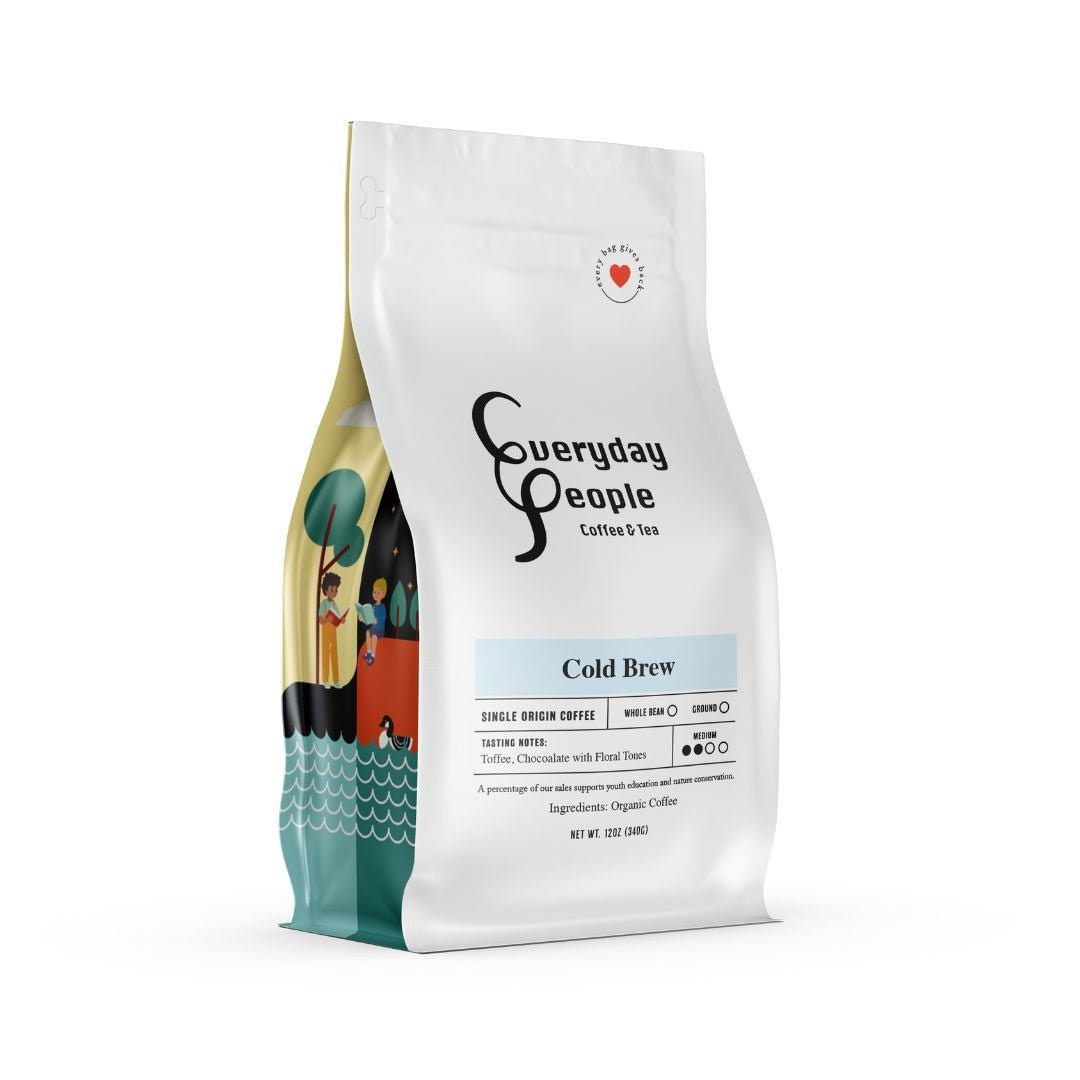
Cold Brew- Medium Roast

Frequently Asked Questions
Does strong coffee always mean more caffeine?
No. A coffee can taste stronger because it is more concentrated, while a larger drink can contain more total caffeine because of its dose and serving size.
How can I make drip coffee stronger without buying a new machine?
Start by tightening the coffee-to-water ratio. If the cup remains weak or sour, adjust the grind slightly finer and review the brew time.
Is Moka pot the same as espresso?
No. Moka pot makes a strong stovetop coffee, but its brewing process and result are not the same as espresso.
Does dark roast make coffee stronger?
Dark roast can taste bolder, smokier, or more bitter, but flavor intensity is not a reliable measure of caffeine. The National Coffee Association notes that dark-roast flavor is not associated with higher caffeine levels.
Can I drink cold brew concentrate straight?
You can, but it may be much stronger than the ready-to-drink coffee you expect. Follow the recipe’s dilution guidance and adjust with water, milk, or ice to taste.
Which method is most practical for strong coffee while traveling?
A portable espresso maker is useful when you want a compact, concentrated coffee format. AeroPress is another flexible option when you prefer a larger cup.
