












An iced Americano combines freshly extracted espresso, cold water, and ice. Start with a double espresso, add about twice its weight in cold water, then use enough ice to chill the drink without letting a small handful melt away immediately. The ratio is flexible, but measuring each part makes the flavor easier to repeat.
Start With Dilution, Not Cup Size
The key to a balanced homemade iced Americano is deciding how strong the finished drink should be before filling the glass. A large cup does not need to be filled completely with water. Ice occupies space and contributes additional water as it melts, so copying the volume of a hot Americano can make the cold version taste thin.
A practical starting recipe is 36–50 grams of espresso, 80–120 grams of cold water, and 100–150 grams of ice. This produces a refreshing drink with a clear espresso character. Treat those amounts as a starting range rather than a universal café standard.
|
Desired style |
Espresso |
Cold water |
Ice |
What to expect |
|
Bold |
36–50 g |
60–80 g |
100–130 g |
Concentrated, with more body and roast intensity |
|
Balanced |
36–50 g |
80–120 g |
100–150 g |
Refreshing while keeping the espresso recognizable |
|
Light |
36–50 g |
120–160 g |
120–160 g |
Milder and longer, with less flavor intensity per sip |
Ice size, room temperature, glass temperature, and drinking time all affect dilution. Full-size cubes usually melt more slowly than crushed ice because they expose less total surface area.
What You Need for an Iced Americano

The basic drink needs only espresso, cold water, and ice. Good results depend less on adding ingredients and more on controlling their quality and proportions.
Use one double espresso or two comparable single shots. Filtered cold water is helpful when tap water has a strong chlorine, mineral, or metallic taste. Use fresh, solid ice made from water you would be comfortable drinking on its own.
A tall, heat-safe glass gives the ingredients room to mix. If the glass is not designed to handle sudden temperature changes, prepare the espresso in a separate cup before combining it with cold water and ice.
Sweetener is optional and is not part of a basic iced Americano. If used, sugar or syrup is easiest to dissolve in the hot espresso before cold ingredients are added.
How to Make an Iced Americano at Home
The drink takes only a few minutes once the equipment and ingredients are ready. The order below limits unnecessary ice melt and makes it easier to judge the final strength.
Pull a Balanced Espresso
Prepare a double espresso using a recipe appropriate for the coffee and machine. Avoid deliberately running extra water through the same coffee puck to increase the drink volume. That creates a longer extraction rather than preserving the espresso base and adjusting it with clean water.
The espresso should taste balanced before dilution. Cold water can soften intensity, but it cannot remove harsh overextraction, sharp underextraction, or stale-coffee flavors.
Add the Cold Water
Measure 80–120 grams of cold water into the serving glass for a balanced starting point. Adding water before the espresso begins cooling the drink immediately and prevents the full heat of the shot from reaching dry ice.
Pour the espresso into the cold water and stir briefly. Taste a small amount if practical. At this stage, the drink should be slightly stronger than the desired result because melting ice will add more water.

Finish With Enough Ice
Add 100–150 grams of full-size ice cubes and stir until the glass feels cold. A generous amount of ice can produce less ongoing dilution than a few cubes because the larger cold mass chills the drink quickly and leaves more ice unmelted.
Serve immediately. If the drink is too strong, add cold water in small increments. If it is already weak, another espresso shot is a better correction than removing melted ice or trying to disguise the dilution.
The Best Iced Americano Ratio
There is no single mandatory iced Americano ratio because espresso recipes, shot counts, cup sizes, and personal preferences vary. A useful starting point is approximately one part espresso to two parts cold water before accounting for ice.
For example, 40 grams of espresso with 80 grams of cold water follows a 1:2 espresso-to-water ratio. Ice then chills and gradually dilutes the drink. If it will be consumed slowly, use slightly less added water or larger ice cubes to allow for that later dilution.
Ratios based only on cup volume can be misleading. A 12-ounce glass packed with ice contains much less liquid than the same glass with only a few cubes. Weighing the espresso and water removes that guesswork.
For a stronger drink, reduce the cold water before increasing the number of shots. This changes concentration without automatically increasing caffeine. Add another shot only when both greater coffee intensity and more caffeine are wanted.

Should Espresso or Ice Go Into the Glass First?
Several preparation orders can work. The practical difference is mainly temperature and dilution rather than a mysterious “shock” that chemically ruins espresso.
Pouring hot espresso directly over a small amount of ice melts the cubes quickly and makes the final ratio difficult to predict. It can still taste good if the melted ice was included in the intended water amount.
Adding cold water first, followed by espresso and then ice, provides better control for a home recipe. The water starts cooling the espresso, and the final ice completes the chilling process. This method is also gentler on a glass that would otherwise experience direct contact with very hot coffee and ice at the same point.
Brewing espresso over a glass already filled with water and ice is convenient, particularly when the machine has enough clearance. Stir the finished drink so the warm and cold layers do not remain separated.
Choosing Coffee for a Homemade Iced Americano
Cooling reduces aroma release and can change how sweetness, acidity, and bitterness are perceived. A coffee that tastes balanced as hot espresso may seem sharper or less aromatic once diluted and chilled.
Medium and medium-dark roasts are approachable starting points because chocolate, nut, and caramel-like notes often remain easy to identify in a cold drink. Dark roasts can create a more pronounced roasty profile, but they may become harsh when the espresso is overextracted. Light roasts can produce a bright and refreshing Americano when the espresso recipe is properly dialed in.
Whole beans offer the most control when they are ground immediately before brewing. Capsules provide a convenient repeatable dose but may require two extractions when a stronger or larger drink is desired. The current coffee collection includes beans, ground options, decaf selections, and compatible capsules, although available formats differ between products.
Making Iced Americano With OutIn Equipment
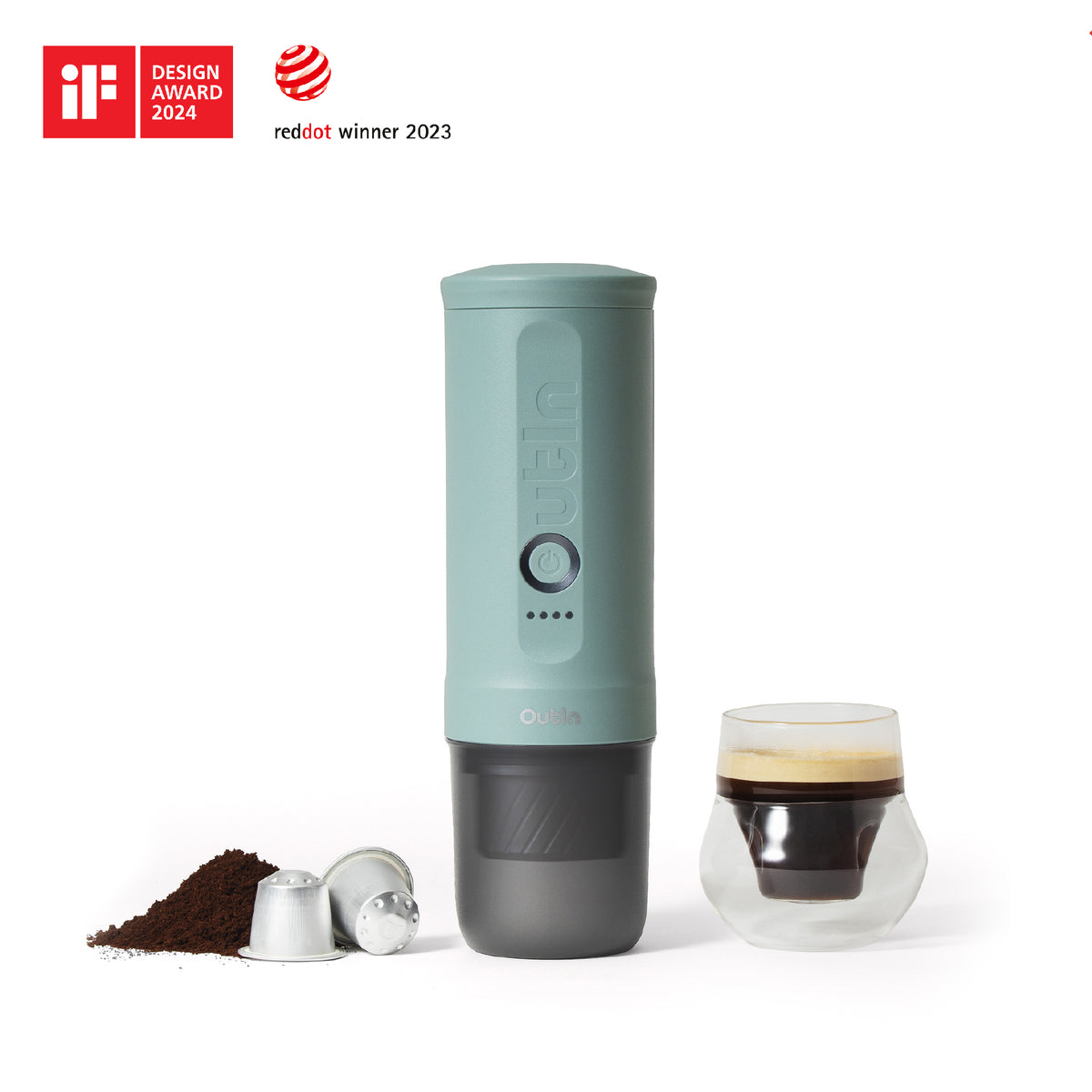
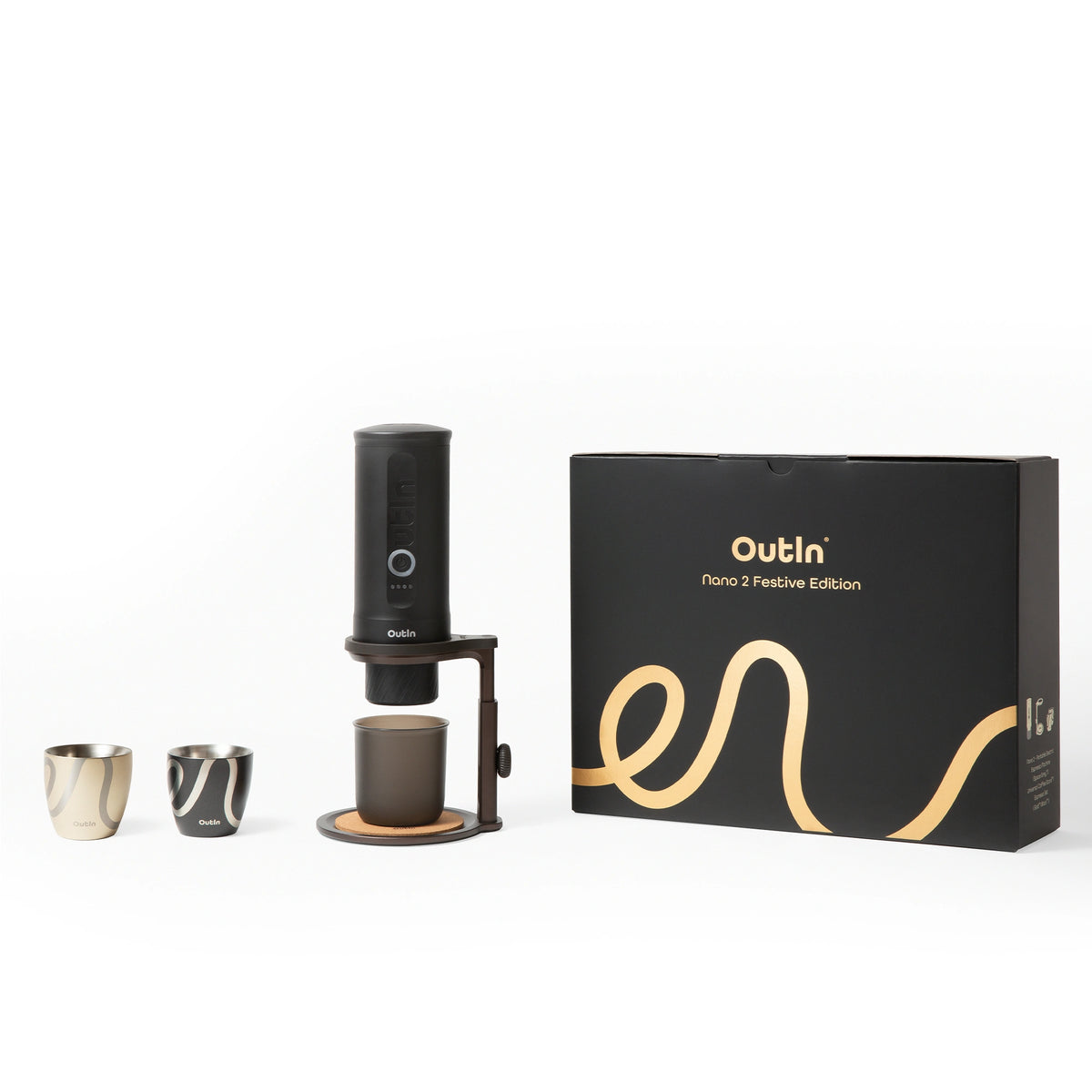
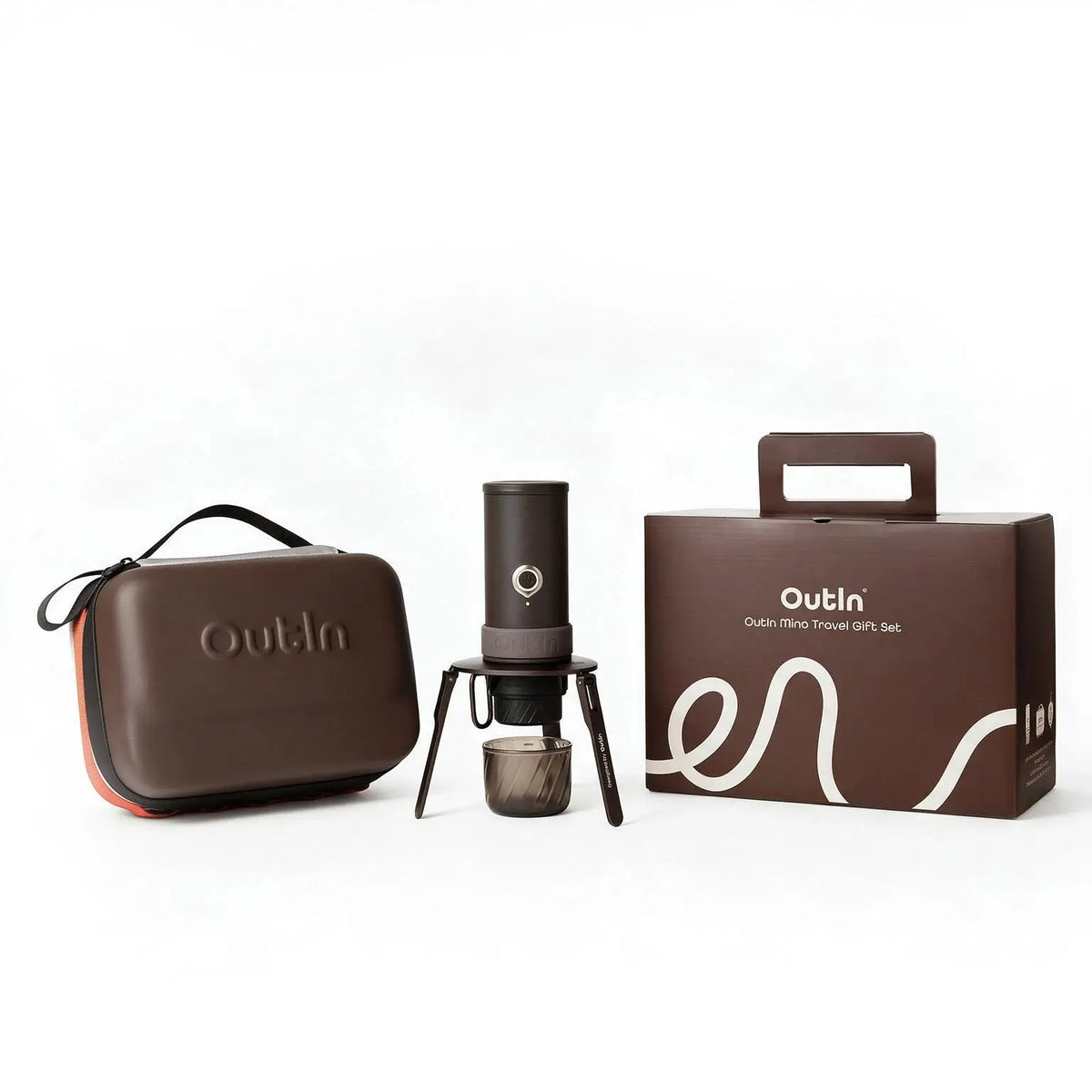
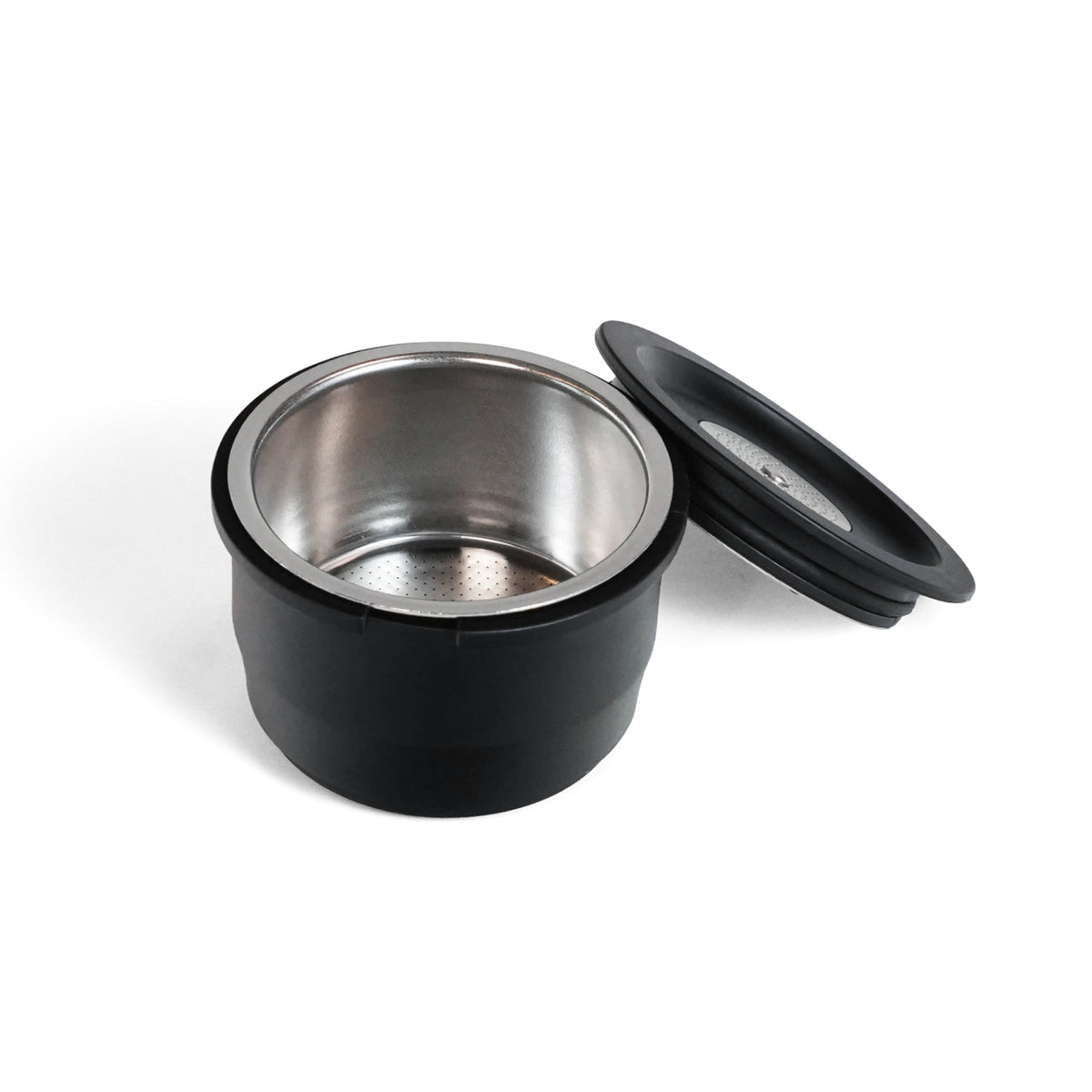
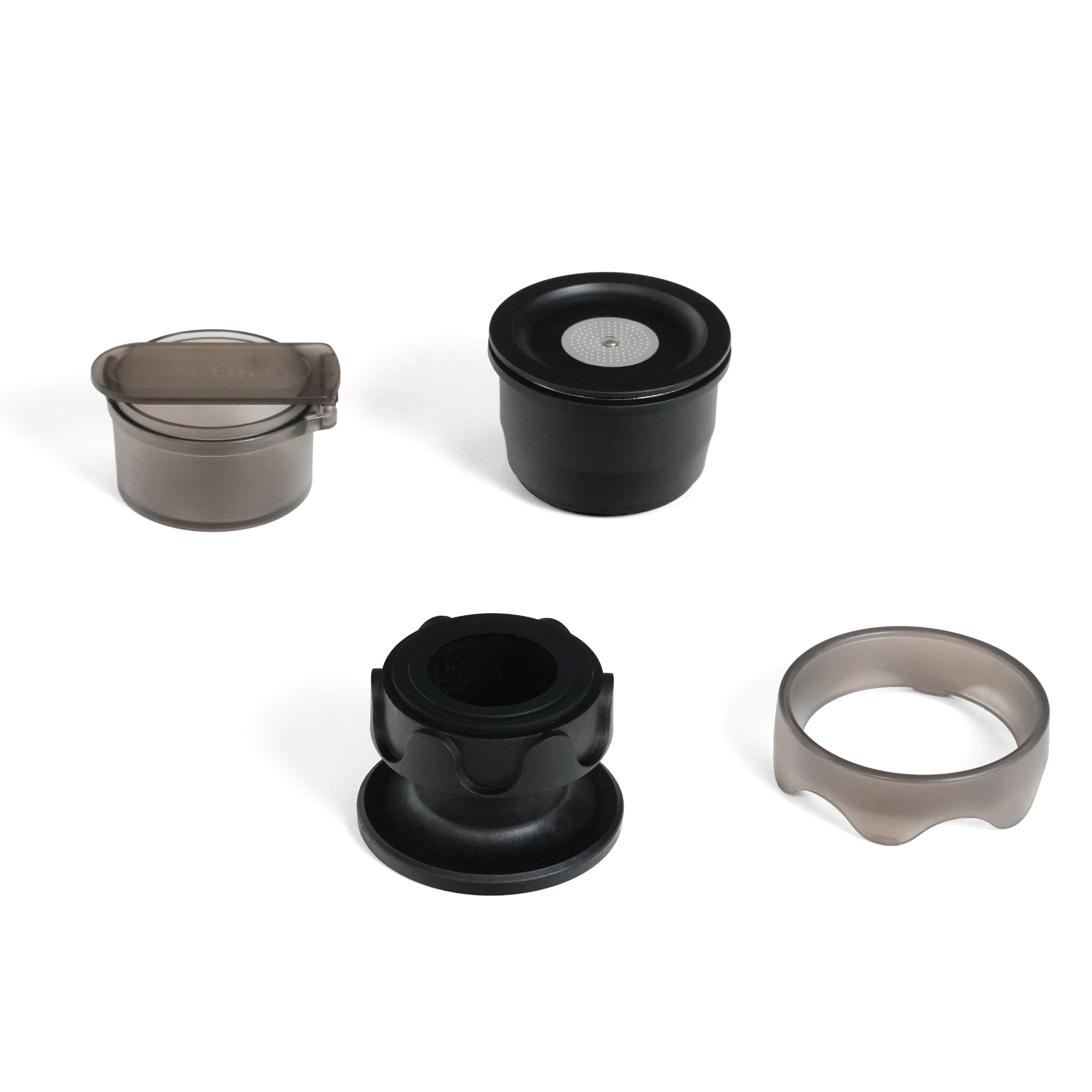
The OutIn Nano 2 Portable Espresso Machine can prepare the espresso base from freshly ground coffee or a Nespresso Original Line-compatible capsule. Its role is to extract the espresso; cold water and ice should be added separately in the serving glass.

OutIn Nano 2 Portable Espresso Machine
Prepare the espresso according to the product instructions rather than filling the machine with the complete Americano water volume. Extending the extraction is not the same as diluting a finished shot and can make the coffee unnecessarily bitter.
For repeatable recipes, the OutIn Claro Coffee Scale measures in 0.1-gram increments and includes an espresso mode that starts timing when espresso begins to flow. It can be used to record espresso yield, cold water, and ice separately, making it easier to adjust only one variable at a time.

OutIn Claro Coffee Scale
Portability does not change the recipe. The same espresso, water, and ice relationship can be used at home, in an office, or anywhere clean drinking water and safely stored ice are available.
Iced Americano vs Other Cold Coffee Drinks
An iced Americano is espresso diluted with cold water and served over ice. It remains a black coffee unless milk, cream, or another ingredient is deliberately added.
Iced coffee is a broader description that commonly refers to brewed coffee cooled and served with ice. Because filter coffee and espresso use different brewing methods and coffee-to-water relationships, iced coffee does not become an Americano simply because it is cold.
Cold brew is prepared by steeping coffee in cool or room-temperature water for an extended period before filtering. It does not use freshly extracted hot espresso and normally has a different flavor, body, and brewing timeline.
Iced espresso contains espresso and ice without the separate cold-water component that defines an iced Americano. It is smaller and more concentrated unless substantial ice melts into it.
Flavored versions can build on the basic drink. The existing lychee sparkling iced Americano replaces plain still water with a fruit and sparkling-water combination, so it should be treated as a variation rather than the standard recipe.
Why an Iced Americano Tastes Watery, Bitter, or Sour
The finished drink usually reflects a combination of espresso quality and dilution. Diagnose the dominant problem before changing everything at once:
-
Watery: Reduce the added water, use more ice rather than a few fast-melting cubes, or increase the espresso dose or shot count.
-
Bitter or dry: Shorten an overextended extraction, grind slightly coarser when appropriate, or try a less developed roast.
-
Sour or sharply acidic: Check whether the espresso is underextracted before blaming the ice; a finer grind or more suitable espresso recipe may help.
-
Lukewarm: Use colder water, a chilled glass, and enough ice to absorb heat quickly.
-
Inconsistent from one drink to the next: Weigh the espresso, water, and ice instead of estimating them by glass markings.
Change one variable per attempt. If both the espresso recipe and the dilution ratio change together, it becomes difficult to identify what improved or damaged the result.
Adjusting the Drink Without Losing Its Identity
Simple syrup can sweeten an iced Americano without leaving sugar crystals at the bottom. A citrus peel can add aroma, while a small amount of sparkling water produces a livelier texture. These are optional variations rather than required ingredients.
A splash of milk or cream softens bitterness, but a large milk volume moves the drink toward an iced latte. Flavored syrups can also dominate the espresso quickly, so begin with less than would be used in a milk-based drink.
When experimenting, keep the base ratio recorded. Consistent espresso and water amounts make it possible to judge whether a syrup, garnish, or different coffee actually improves the drink.

Conclusion
A reliable iced Americano starts with balanced espresso, measured cold water, and enough ice to chill the drink quickly. Use approximately one part espresso to two parts cold water as a starting point, then allow for the water contributed by melting ice.
For greater intensity, reduce the added water first. For more caffeine and coffee flavor, increase the shot count. Measuring each component is the easiest way to turn a simple three-ingredient drink into a repeatable home recipe.
FAQs
Can I make an iced Americano with decaf espresso?
Yes. Replace regular espresso with a comparable decaf espresso recipe and keep the water and ice proportions unchanged. Decaf coffee may still contain a small amount of caffeine, so consult the coffee or capsule information when trace amounts matter.
Can sparkling water replace cold water?
Yes, although it creates a sparkling Americano variation. Chill the espresso briefly with a small amount of still water or ice, then add sparkling water gently to preserve carbonation and control foaming.
Can I prepare an iced Americano in advance?
The espresso and water can be combined and refrigerated for a short period, but freshly prepared espresso retains more aroma. Store the liquid without ice and add fresh ice immediately before serving to prevent continuous dilution.
Can I make an iced Americano without an espresso machine?
A concentrated moka pot or AeroPress-style brew can make a pleasant cold black coffee with water and ice, but it will not be a traditional espresso-based Americano. Adjust the dilution to the strength of the concentrate rather than copying an espresso ratio exactly.
