












True espresso requires hot water to move through finely ground coffee under substantial pressure. Without a pressure-capable brewer, you can make concentrated espresso-style coffee but not reproduce every feature of espresso. A moka pot, AeroPress, manual brewer, or portable espresso maker offers a different balance of authenticity, cost, and convenience.
Pressure Is the Line Between Espresso and Concentrate
Espresso is defined by its brewing method rather than by a bean, roast, or small cup. It uses pressure to force hot water through a compact bed of finely ground coffee, producing a concentrated beverage with a characteristic texture and crema.
A traditional countertop machine is not the only device capable of pressure brewing. Manual lever brewers and purpose-built portable espresso makers can also create substantial brewing pressure. By contrast, a moka pot relies on lower steam pressure, and an AeroPress normally operates at much lower pressure than espresso equipment.
That distinction does not make the alternatives bad coffee. It only sets accurate expectations. Concentrated moka pot or AeroPress coffee can taste excellent and work well in a latte, Americano-style drink, mocha, or coffee dessert even when it is not technically espresso.
|
Method |
Pressure level |
Result |
Best reason to choose it |
|
Moka pot |
Lower than espresso equipment |
Strong, concentrated stovetop coffee |
Rich flavor with simple equipment |
|
AeroPress |
Low manual pressure |
Clean, concentrated espresso-style coffee |
Fast preparation and flexible recipes |
|
French press concentrate |
No meaningful brewing pressure |
Heavy, concentrated immersion coffee |
Uses equipment many homes already have |
|
Manual espresso brewer |
Can reach an espresso-appropriate range when designed for it |
Potentially true espresso |
Direct control without an electric pump |
|
Portable electric espresso maker |
Pump-generated pressure; specifications vary by model |
Espresso when designed for pressure extraction |
Compact brewing without a countertop setup |
The finished quality still depends on coffee freshness, grind, dose, water temperature, recipe, and technique. A pressure claim by itself does not guarantee a balanced shot.

Method 1: Make Concentrated Coffee With a Moka Pot
A moka pot is often called a stovetop espresso maker, but its brewing pressure is lower than that used for conventional espresso. It produces a larger, less syrupy beverage with little or no true espresso crema. Its roasty intensity makes it one of the most practical substitutes for milk drinks.
Fill the lower chamber with water to the level specified by the manufacturer, normally just below the safety valve. Add medium-fine coffee to the filter basket and level it gently without compressing it like an espresso puck. Assemble the pot securely and place it over low to medium heat.
When coffee begins entering the upper chamber, keep the heat controlled. Remove the pot from the stove when the stream becomes pale or before aggressive sputtering dominates. Cooling the lower chamber briefly under safe conditions can help stop extraction, but follow the manufacturer’s handling instructions because the metal will be hot.
For a stronger cup, use the correct basket dose and reduce the finished beverage with recipe control rather than tamping the grounds. Tamping or blocking the safety valve can interfere with the moka pot’s intended pressure and create a safety risk.
Moka pot coffee may taste more bitter than espresso when the heat is excessive or brewing continues through the final sputtering phase. Starting with hot water can shorten stove time in some recipes, but it also makes assembly hotter and requires appropriate protection.
Method 2: Make Espresso-Style Coffee With an AeroPress
An AeroPress can make a short, concentrated coffee, but normal use does not generate the pressure associated with espresso brewing. Its own published guidance places typical pressure far below the traditional espresso range. The result is better described as espresso-style concentrate.
Begin with approximately 15–18 grams of coffee and 50–70 grams of hot water. Use a fine-to-medium-fine grind rather than assuming the finest possible espresso setting will work. Very fine coffee can make pressing difficult and may not improve flavor.
Add the water, wet all the grounds, and stir briefly. Allow a short immersion, attach or confirm the filter assembly according to the brewer instructions, then press slowly and steadily. Stop if resistance becomes excessive; forcing the plunger is not a safe way to imitate espresso pressure.
A paper filter produces a cleaner cup with less sediment, while an approved metal or flow-control accessory may create a fuller result. Neither accessory turns every recipe into true espresso, but both can change body and flow.
The concentrate can be consumed as a small coffee or diluted with water or milk. If it tastes sour, extend contact slightly or adjust finer. If it tastes dry and harsh, shorten the brew, lower the temperature, or grind coarser.
Method 3: Use a French Press for a Strong Coffee Base
A French press is the least espresso-like method in this comparison because it uses immersion rather than pressure and allows more sediment and oils into the cup. It can still provide a strong base when no other brewer is available.
Use roughly 20 grams of coffee with 80–100 grams of hot water. A medium-fine grind creates more extraction than a standard coarse French press recipe, but going too fine can make plunging difficult and increase sediment.
Stir to wet the grounds, steep for about four minutes, break the crust gently, and press slowly. Pour the concentrate immediately so it does not continue extracting against the grounds.
Expect a heavier, grainier cup without the viscosity or crema of pressure-brewed espresso. It can work in a mocha or sweetened milk drink where exact espresso texture is less important, but it will taste different when served alone.
Method 4: Use a Manual Espresso Brewer
A purpose-built manual lever or piston brewer can make genuine espresso when it reaches the appropriate pressure and provides control over water temperature, coffee dose, and beverage yield. The user supplies the force instead of an electric pump.
These brewers generally require a capable grinder, a stable setup, preheated components, and careful puck preparation. Some include a pressure gauge; others rely on lever feedback and recipe experience. Follow the model’s limits rather than attempting to maximize pressure.
Manual equipment can produce excellent results, but it is not automatically simpler than an electric machine. Water must usually be heated separately, and temperature falls quickly when a cold brew chamber absorbs heat. The learning curve may be worthwhile for someone who enjoys direct control, but less suitable for a rushed routine.
Method 5: Use a Portable Espresso Maker
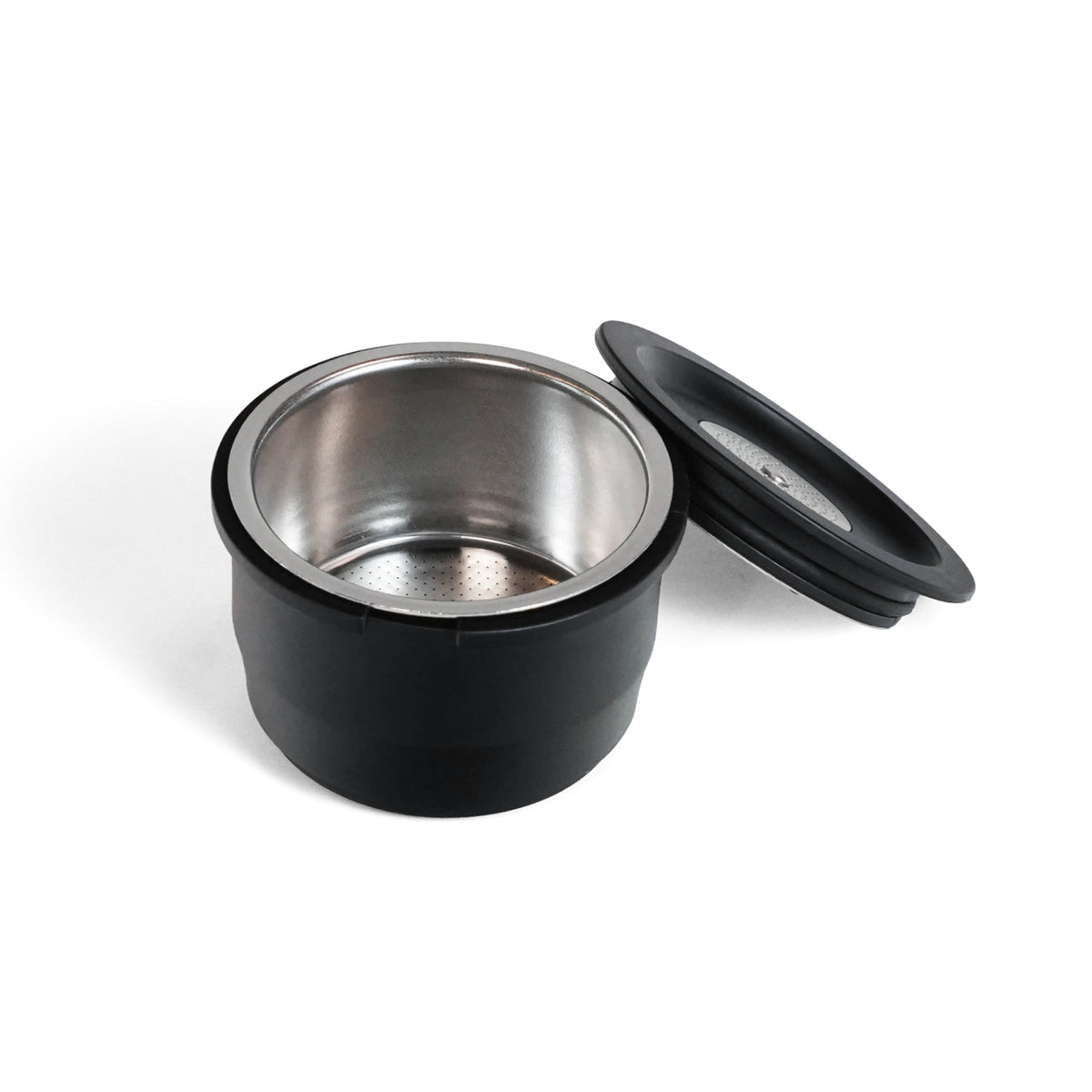
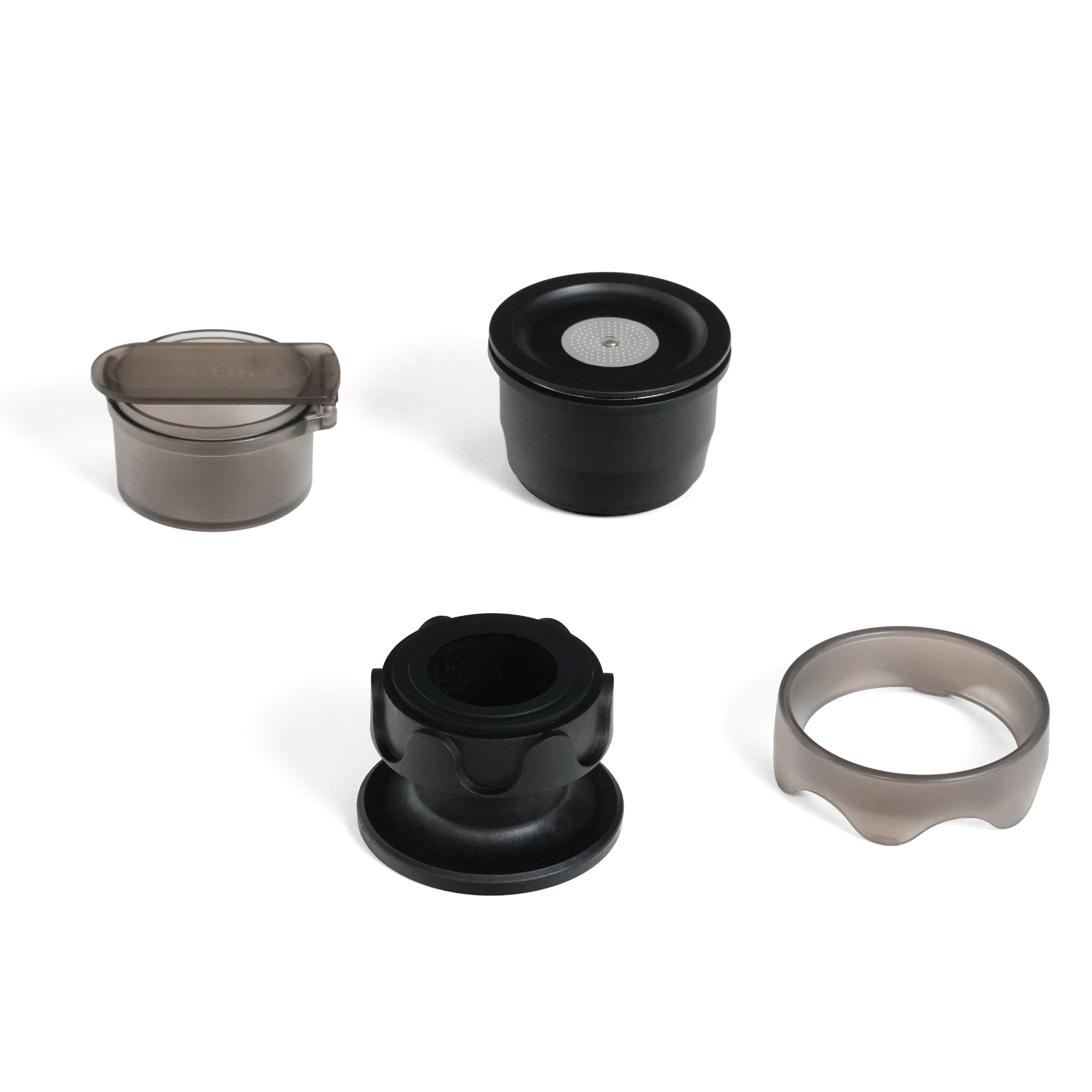
A portable espresso maker is relevant when “without a machine” really means without a permanent countertop appliance. Models vary: some require hot water and manual pumping, while self-heating electric designs combine water heating and pressure extraction in one compact device.
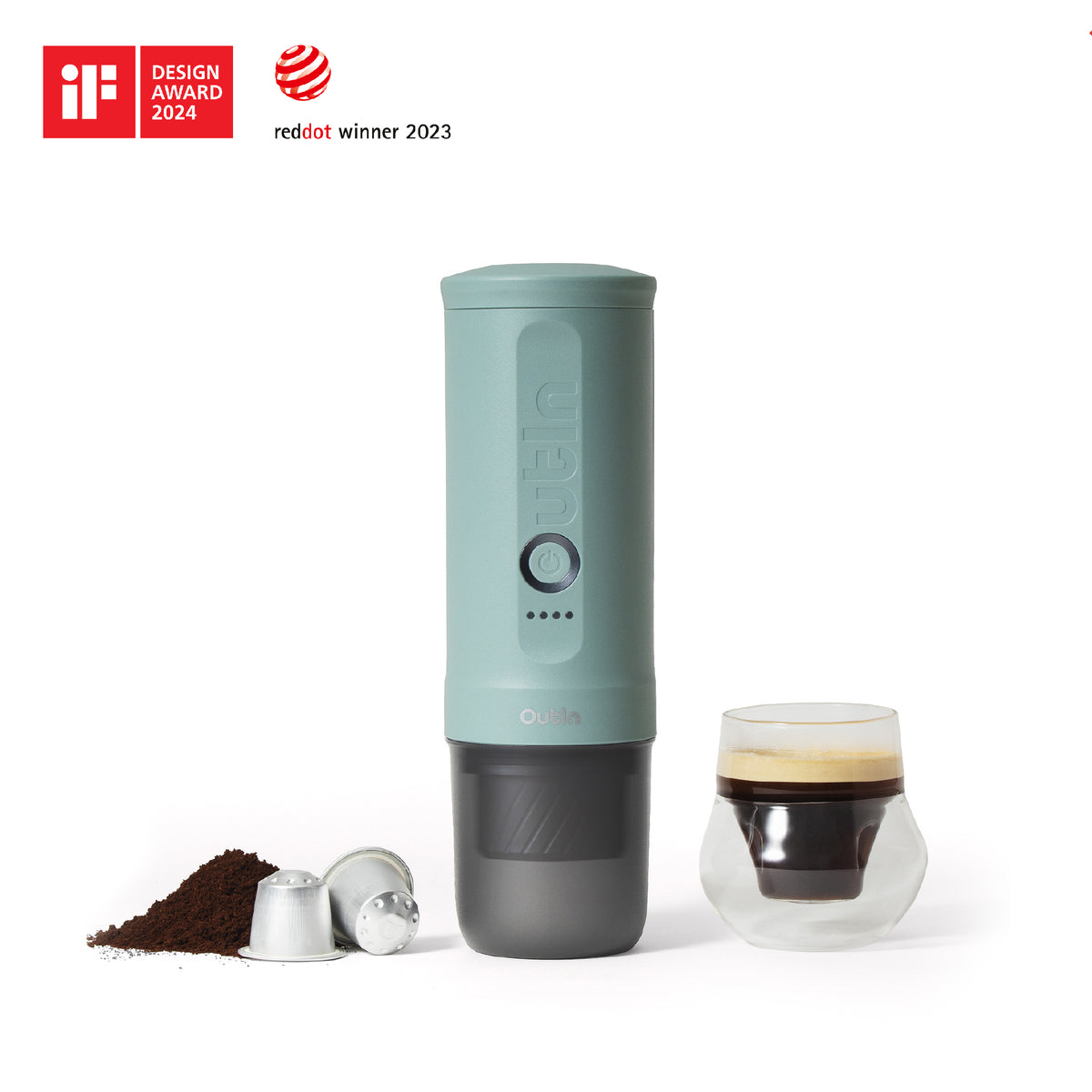
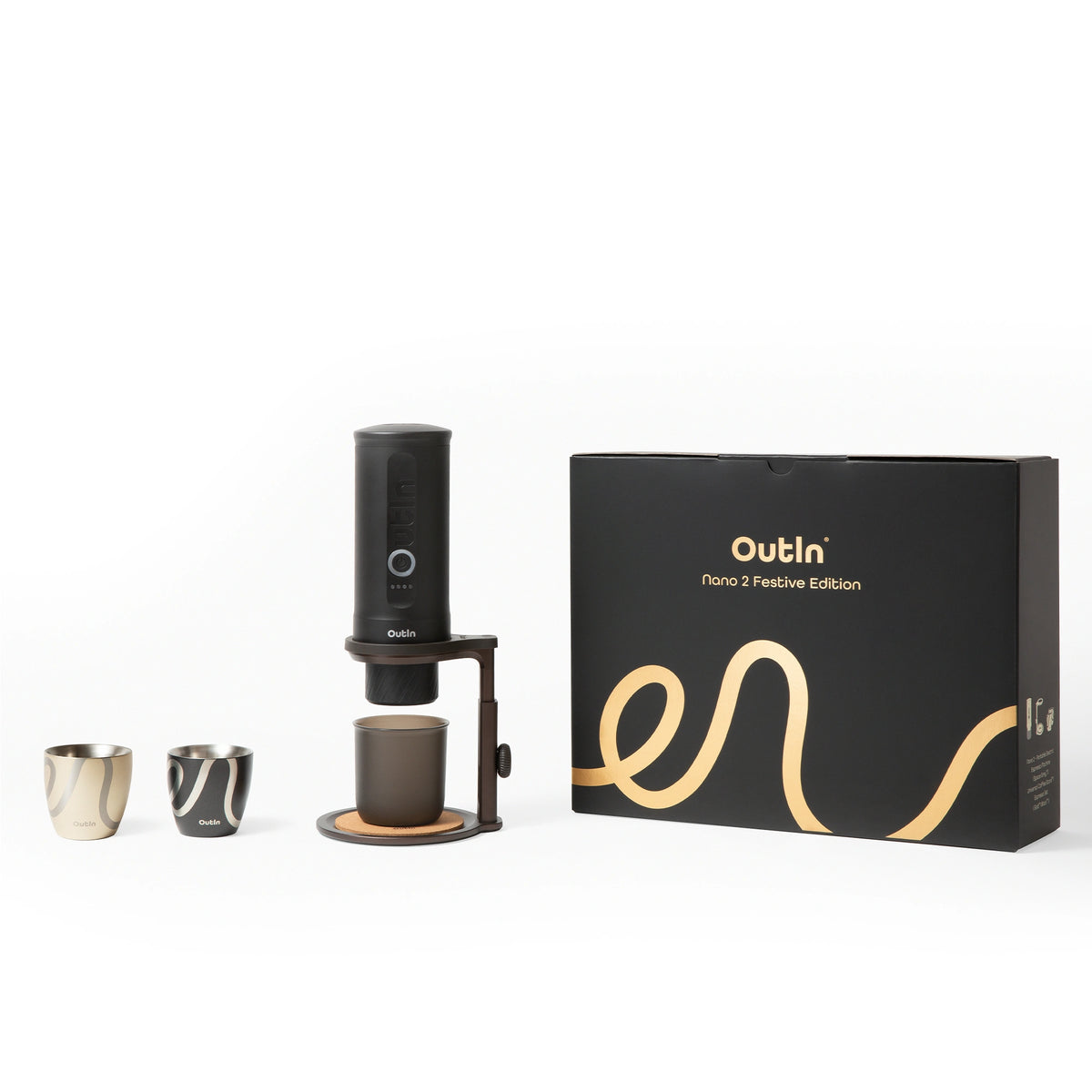
The OutIn Nano 2 Portable Espresso Machine accepts freshly ground coffee or a Nespresso Original Line-compatible capsule. It heats the brewing water internally and uses a pump for extraction, making it a closer substitute for countertop espresso than a moka pot or AeroPress-style concentrate.

OutIn Nano 2 Portable Espresso Machine
Nano 2 is still brewing equipment, so it is not a solution for someone who wants to use no device at all. Its advantage is replacing a fixed espresso station with a portable, cordless format rather than changing espresso into another brewing method.
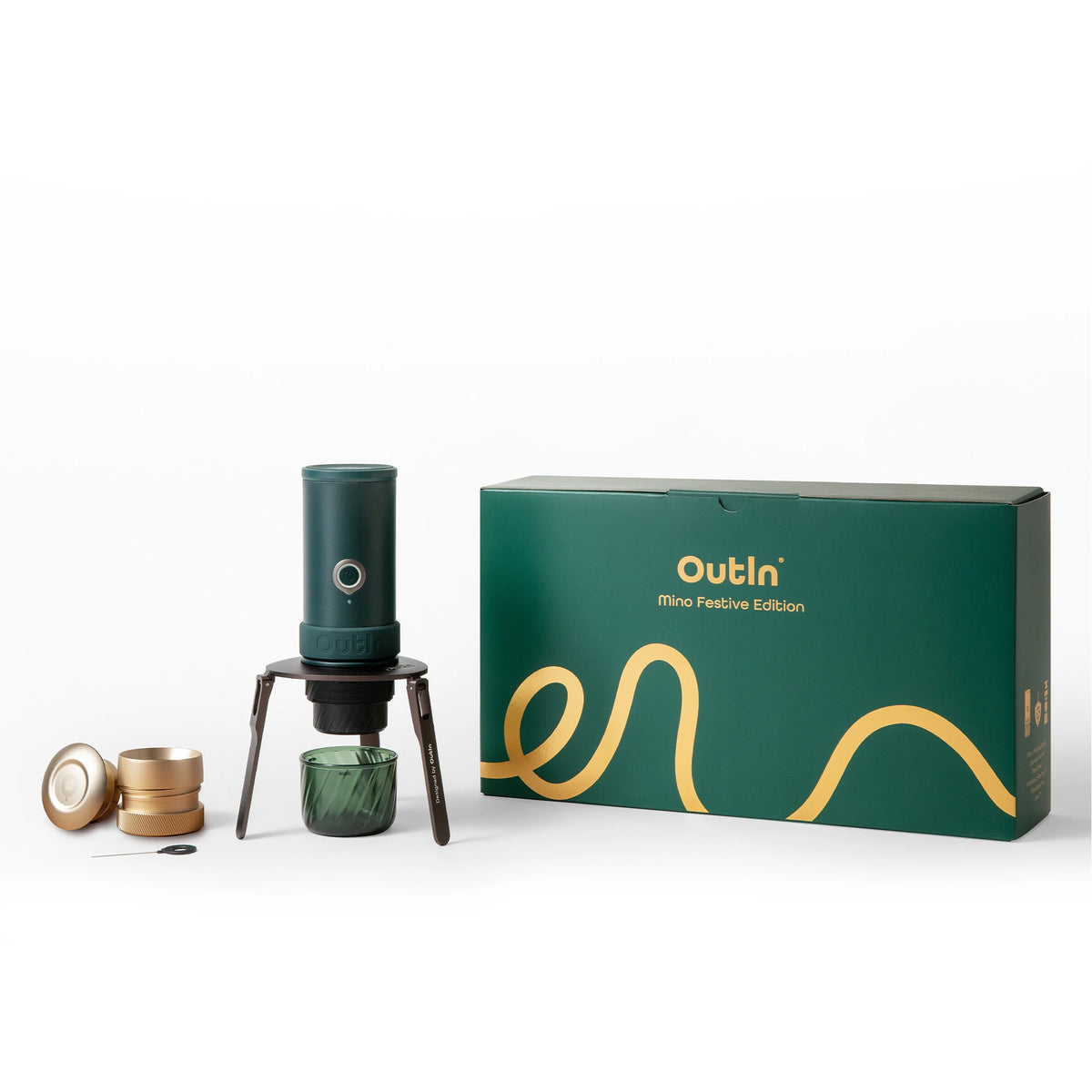
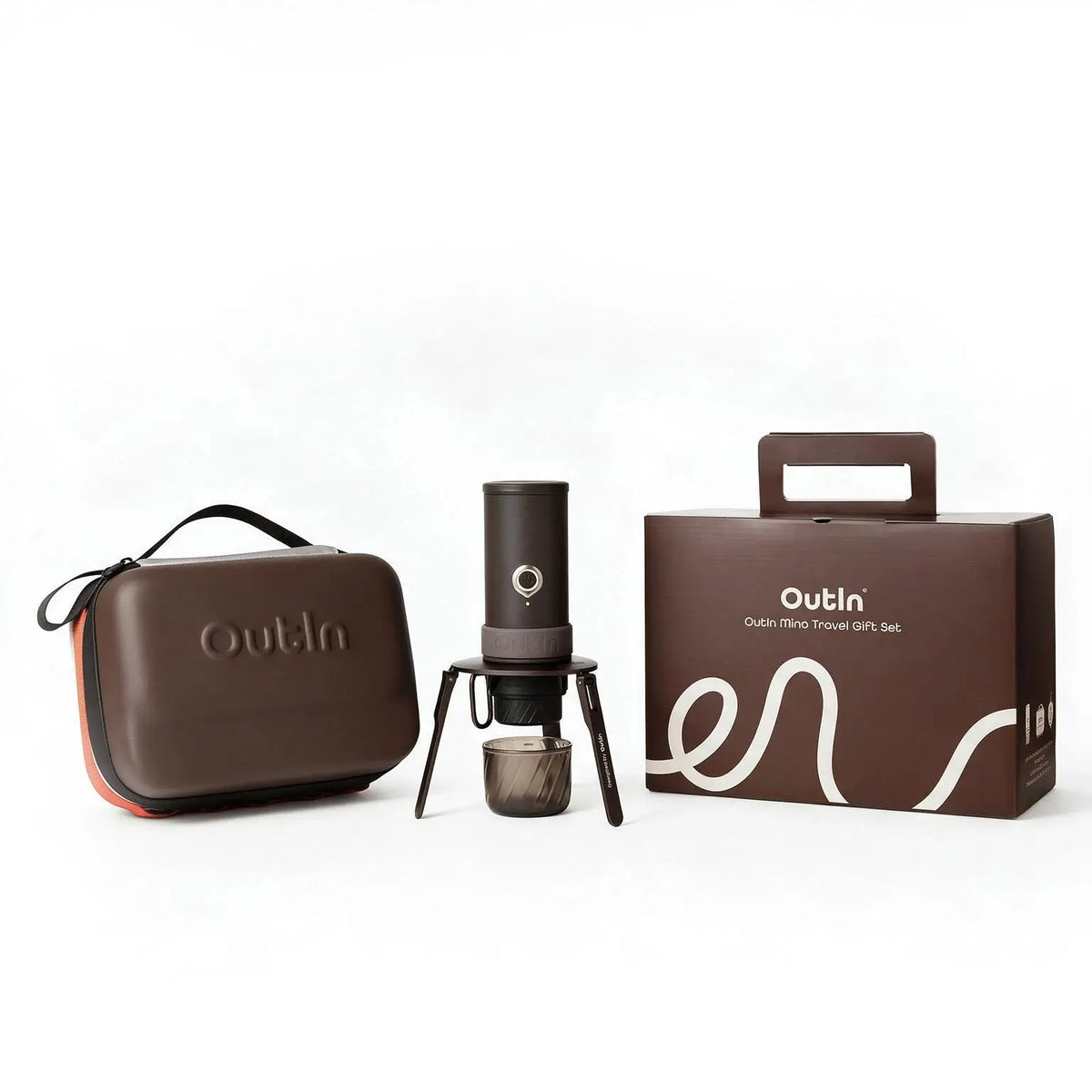
For readers comparing compact pressure-based options, the portable espresso machine collection includes Nano 2, Mino, and related equipment with different formats and use cases.
Choosing the Right Coffee and Grind
Any of these methods improves when the coffee is freshly ground and matched to the brewer. “Espresso beans” are not a separate species; the label usually indicates a roast or blend intended to perform well in espresso recipes.
Moka pots commonly work with a medium-fine grind that is coarser than many espresso settings. AeroPress concentrate often begins around fine to medium-fine. A pressure-capable manual or portable espresso maker normally requires finer grounds, but the exact setting depends on basket design, dose, roast, and coffee freshness.
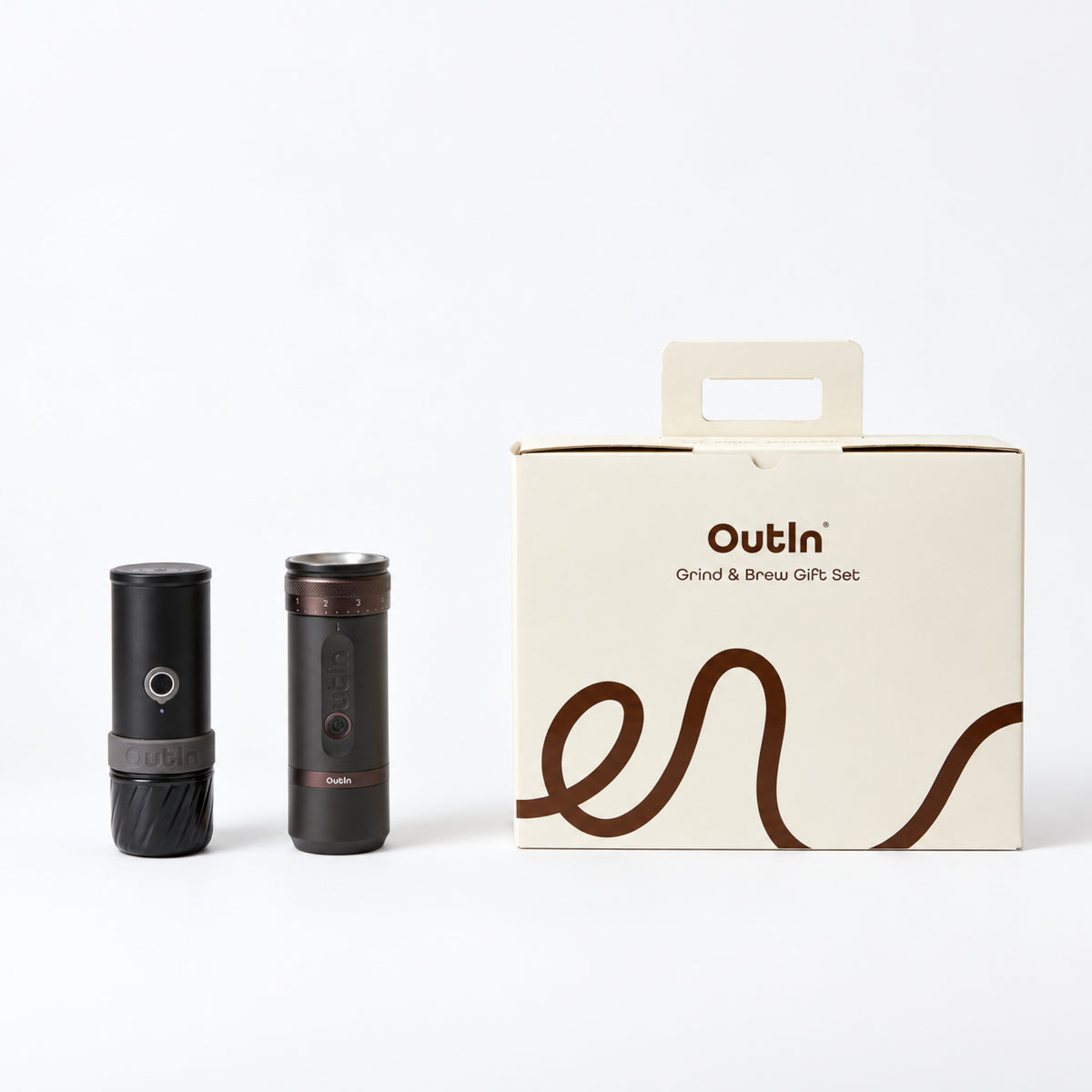
The OutIn Fino Portable Electric Coffee Grinder provides adjustable ranges for espresso, moka pot, and AeroPress brewing. Its published settings should be treated as starting ranges because two coffees can flow differently at the same dial position.

OutIn Fino Portable Electric Coffee Grinder
A practical coffee grind size chart helps identify the initial texture, but taste and flow determine the final adjustment. Grind finer when water passes too easily and the cup tastes thin or sour. Grind coarser when flow stalls or the result becomes harsh and dry.
How to Get Closer to Espresso Flavor
No technique can make a low-pressure brewer reproduce pressure that it does not generate. The goal is to improve concentration and balance without mislabeling the result.
-
Use freshly roasted coffee and grind immediately before brewing when possible.
-
Keep the water amount low enough to produce concentration, but not so low that the grounds cannot wet evenly.
-
Preheat cups and approved brewing components to reduce rapid temperature loss.
-
Measure coffee and finished beverage rather than relying only on scoops or cup markings.
-
Adjust one variable at a time so grind, dose, temperature, and contact time do not change together.
-
Do not force, seal, modify, or overpressurize equipment beyond the manufacturer’s instructions.
Crema should not be the only goal. Freshness, pressure, basket design, and carbon dioxide all influence its formation, and a visually impressive foam layer does not guarantee balanced extraction. Judge the aroma, sweetness, acidity, bitterness, body, and finish together.

Which Method Works Best for Milk Drinks?
Moka pot coffee is a convenient choice for lattes and mochas because its concentrated roast flavor can remain noticeable after milk or chocolate is added. An AeroPress concentrate produces a cleaner and often gentler base, although it may taste lighter in a large milk drink.
French press concentrate can work when texture and sediment are acceptable, particularly in sweetened drinks. Pour it carefully and avoid the final silty portion if a cleaner result is preferred.
Manual and portable pressure brewers come closest to the flavor and texture expected from espresso-based milk drinks. They also allow the espresso dose to remain small so milk does not create an oversized or weak beverage.
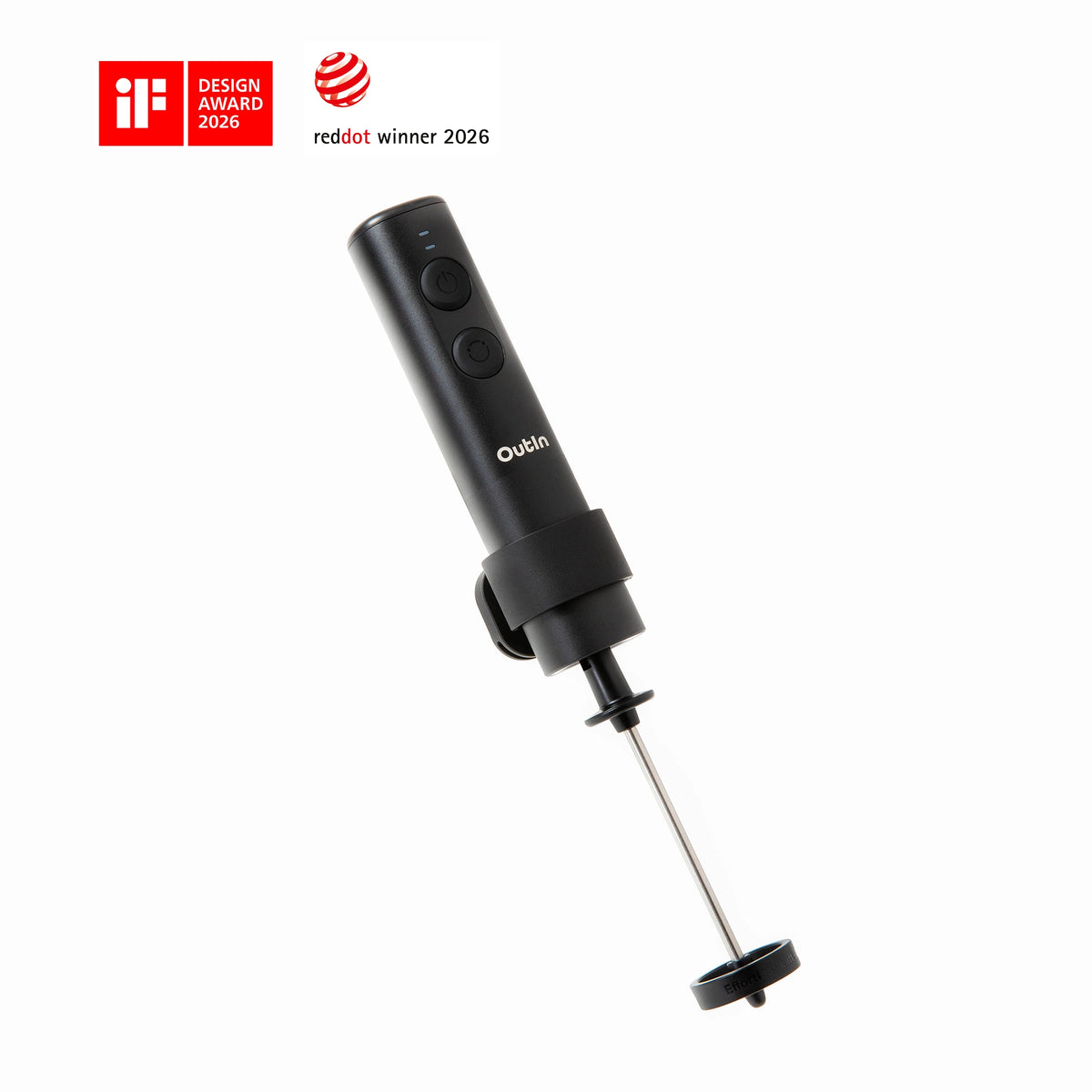
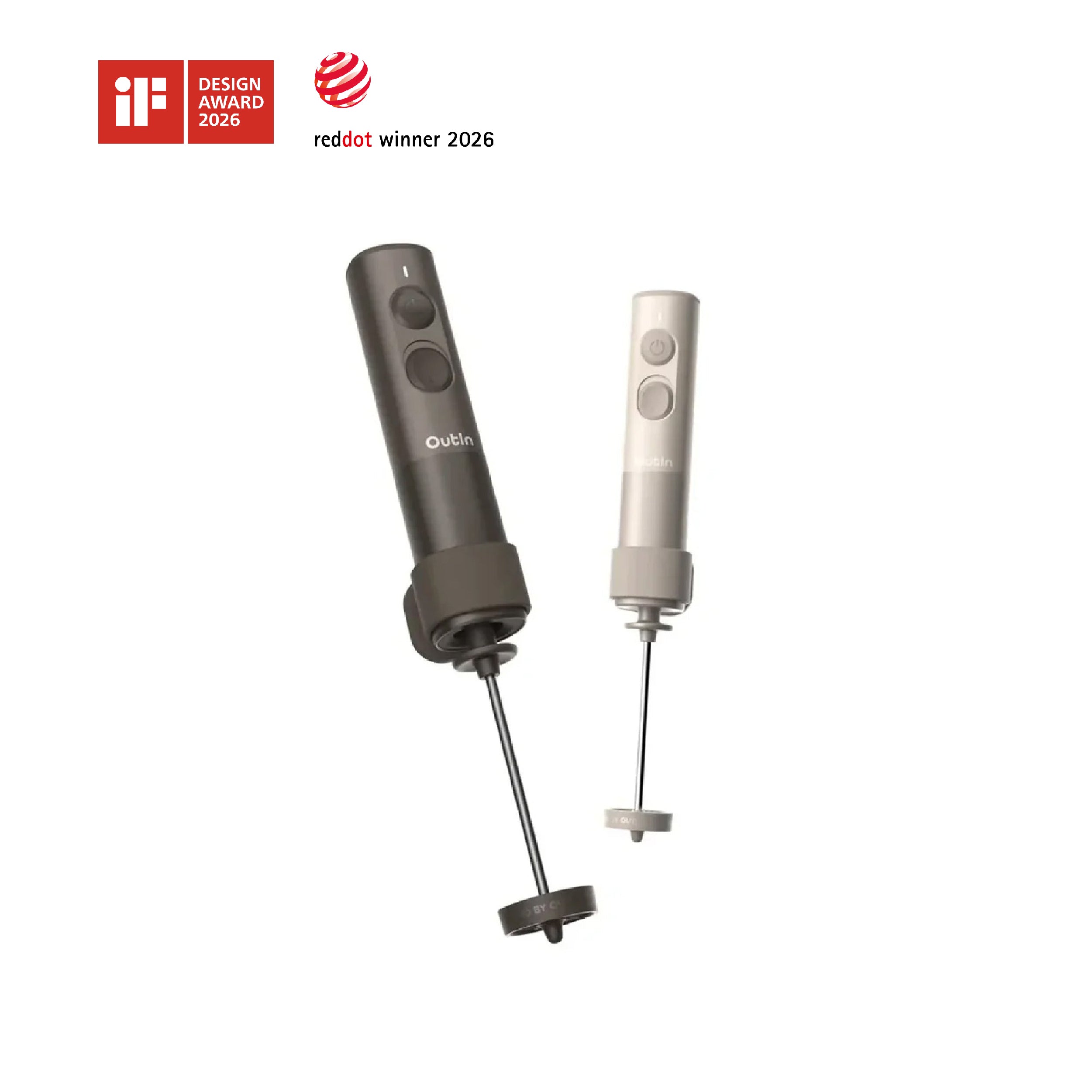
None of these coffee brewers automatically steams milk. Warm and texture the milk separately with an appropriate frother or steam system, and never place milk inside a device’s clean-water reservoir.
Common Reasons the Result Falls Short
A weak concentrate often comes from too much water, too little coffee, a coarse grind, or short contact. Reducing water can increase concentration, but the grounds still need enough water to extract evenly.
Excessive bitterness may come from very dark coffee, too much heat, an overly fine grind, or allowing a moka pot to sputter for too long. Sourness commonly suggests insufficient extraction, although naturally bright coffee can also have pronounced acidity.
An absent crema layer is normal for moka pot, AeroPress, and French press methods. Trying to create crema by pressing dangerously hard or modifying a brewer is neither necessary nor appropriate.
If a true espresso device produces poor results, examine coffee freshness, grind, dose, distribution, basket fit, and beverage yield before assuming that more advertised pump pressure will solve the problem. The difference between espresso and other coffee is explained more fully in OutIn’s overview of what espresso is.
Conclusion
True espresso is difficult to reproduce without equipment capable of controlled pressure extraction. A moka pot, AeroPress, or French press can make strong espresso-style coffee, but each has a different texture, flavor, and pressure level.
Choose a moka pot for rich stovetop coffee, an AeroPress for a fast and clean concentrate, or a French press when using equipment already available. Choose a manual or portable pressure brewer when authentic espresso is the goal without installing a full countertop setup.
FAQs
Can instant coffee be used to make espresso?
Instant coffee can make a small, strong drink when mixed with less water, but it is not espresso because it has already been brewed and dehydrated. It does not recreate fresh pressure extraction or espresso texture.
Can regular coffee beans be used for espresso-style recipes?
Yes. Espresso does not require a special bean species. Roast profile and blend affect flavor, but grind, dose, water, pressure, and extraction determine how the coffee performs in a particular brewer.
Is espresso powder the same as ground espresso coffee?
No. Culinary espresso powder is usually brewed coffee that has been dried and processed for easy dissolving in baking. Finely ground coffee is unbrewed and must be extracted before consumption.
Can a coffee capsule make espresso without a compatible brewer?
No. A capsule contains a measured coffee dose but cannot heat water or generate pressure by itself. It must be used with a compatible brewing device and adapter.
Can homemade espresso-style concentrate be stored?
It can be refrigerated in a sealed container for a short period, but aroma and flavor begin changing after brewing. Prepare it fresh when possible and add milk, water, or ice only when serving.
