













Choose pour over when you want a clean cup, distinct flavor notes, and control over each pour. Choose French press when you prefer fuller body, a simpler routine, and an easier way to brew several servings. Neither method is universally better—the right one depends on the coffee texture, effort, and consistency you value most.
Make the Decision From the Cup Backward
The fastest way to choose between French press and pour over is to start with the result you want to drink. Paper-filtered pour over usually emphasizes clarity and separation between flavors. French press retains more oils and fine particles, creating a heavier mouthfeel and a more blended flavor profile.
|
Comparison point |
Pour over |
French press |
|
Brewing method |
Water flows through coffee and a filter |
Coffee steeps fully in water before filtration |
|
Typical cup character |
Clean, bright, and clearly defined |
Rich, rounded, and full-bodied |
|
Filtration |
Usually paper, although metal and cloth options exist |
Metal mesh plunger |
|
Technique sensitivity |
More affected by pouring speed and pattern |
Generally more forgiving once dose, grind, and time are set |
|
Batch size |
Often best for one or two cups, depending on the brewer |
Convenient for multiple servings when the press is large enough |
|
Cleanup |
Paper filter makes grounds easy to remove |
Wet grounds must be removed from the carafe and mesh |
These are common tendencies rather than guarantees. Beans, roast level, water, grind size, temperature, and recipe can shift the result substantially.
Percolation and Immersion Extract Coffee Differently
Pour over is mainly a percolation method. Fresh water enters the coffee bed from above, dissolves soluble material, and flows through the filter. The brewer controls how quickly and evenly that water moves by changing grind size, pouring rate, agitation, and the number of pours.
French press is a full-immersion method. The grounds and water remain together for most of the brew, and the plunger separates the liquid from larger particles at the end. Because all the water is added early, the brewer does not need to maintain a continuous pouring pattern.
This difference explains much of the practical contrast. Pour over rewards controlled flow through an evenly prepared coffee bed. French press rewards an appropriate steep time, complete saturation, and a clean separation before serving.
Pour Over vs French Press Taste
Pour over commonly produces a cleaner cup because a paper filter captures much of the suspended material and absorbs some coffee oils. This can make floral, fruity, and acidic notes easier to distinguish. Coffees with delicate or layered flavors often benefit from that clarity, although poor pouring or an unsuitable grind can still create a thin, sour, bitter, or uneven result.
French press allows more oils and fine particles into the cup. The result often feels heavier and more textured, with chocolate, nut, caramel, and deeper roast flavors blending into a rounded profile. The metal filter does not make the coffee inherently stronger, but the additional body can make it feel more intense.
If “strong” means caffeine, neither method wins automatically. Caffeine depends on the coffee dose, bean type, water amount, contact time, and serving size. If “strong” means mouthfeel, French press often seems stronger. If it means clearly defined acidity and aroma, pour over may appear more vivid.

Which Method Is Easier to Repeat?
French press is usually easier for beginners because the process does not depend on maintaining a precise stream of water. Add coffee and water, make sure all the grounds are wet, allow them to steep, and plunge carefully. Once dose, water, grind, and time are consistent, the method is relatively stable.
Pour over has more interacting variables. Pouring too quickly may shorten contact time, while pouring too slowly can extend it. Water directed mainly into the center may leave grounds near the edge underused. Excessive agitation may slow drainage by moving fine particles into the filter.
That sensitivity is an advantage for people who enjoy adjustment. Small changes in grind or pouring can reveal different sides of the same coffee. Someone seeking a quick, forgiving morning routine may prefer French press; someone who enjoys refining technique may prefer pour over.
Brewing Time and Daily Workflow
Neither method is especially slow, but the work is distributed differently. A French press typically requires a few minutes of mostly passive steeping. During that time, the brewer can prepare breakfast or complete another task. Plunging and pouring take little active time.
Pour over requires more attention during the brew. After the initial bloom or pre-wet, water is usually added in one or more controlled pours. The total brewing time may be similar to French press, but more of it is hands-on.
Cleanup can reverse that advantage. Pour-over grounds can usually be lifted out with the paper filter and discarded or composted. A French press holds loose wet grounds at the bottom, and its plunger and mesh need thorough rinsing. Grounds should not be washed in large quantities down the sink because they can accumulate in plumbing.
Grind Size Matters in Different Ways
French press usually starts with a coarse or medium-coarse grind. Larger particles reduce sediment passing through the metal screen and help prevent the plunger from meeting excessive resistance. Grinding extremely coarse is not always necessary, however; the ideal setting depends on steep time, filter design, and taste.
Pour over commonly uses a medium to medium-fine grind, but the brewer shape and filter change the target. A cone brewer, flat-bottom brewer, and thick-filter brewer may all need different settings. The complete coffee grind size guide explains how particle size changes flow and extraction across brewing methods.
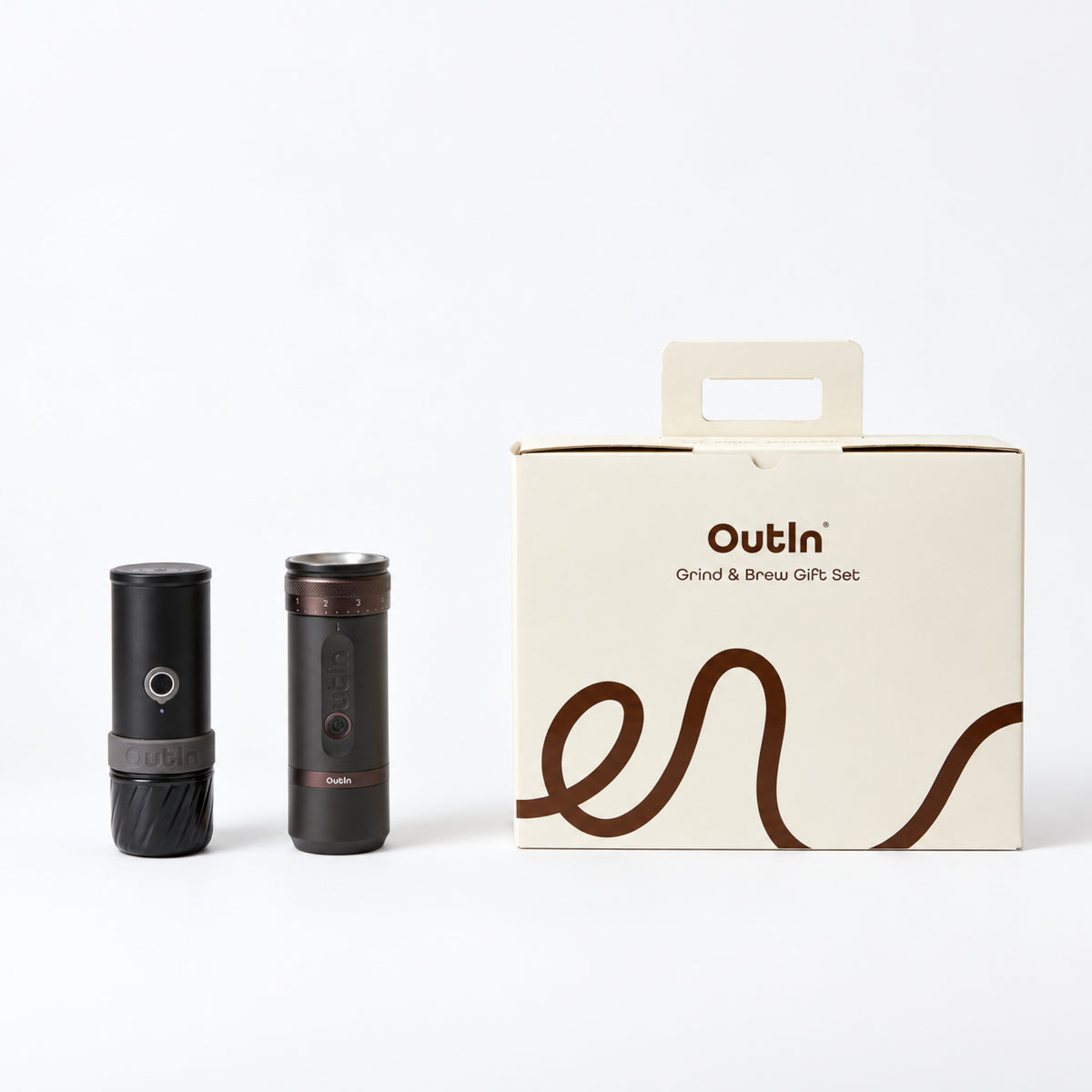
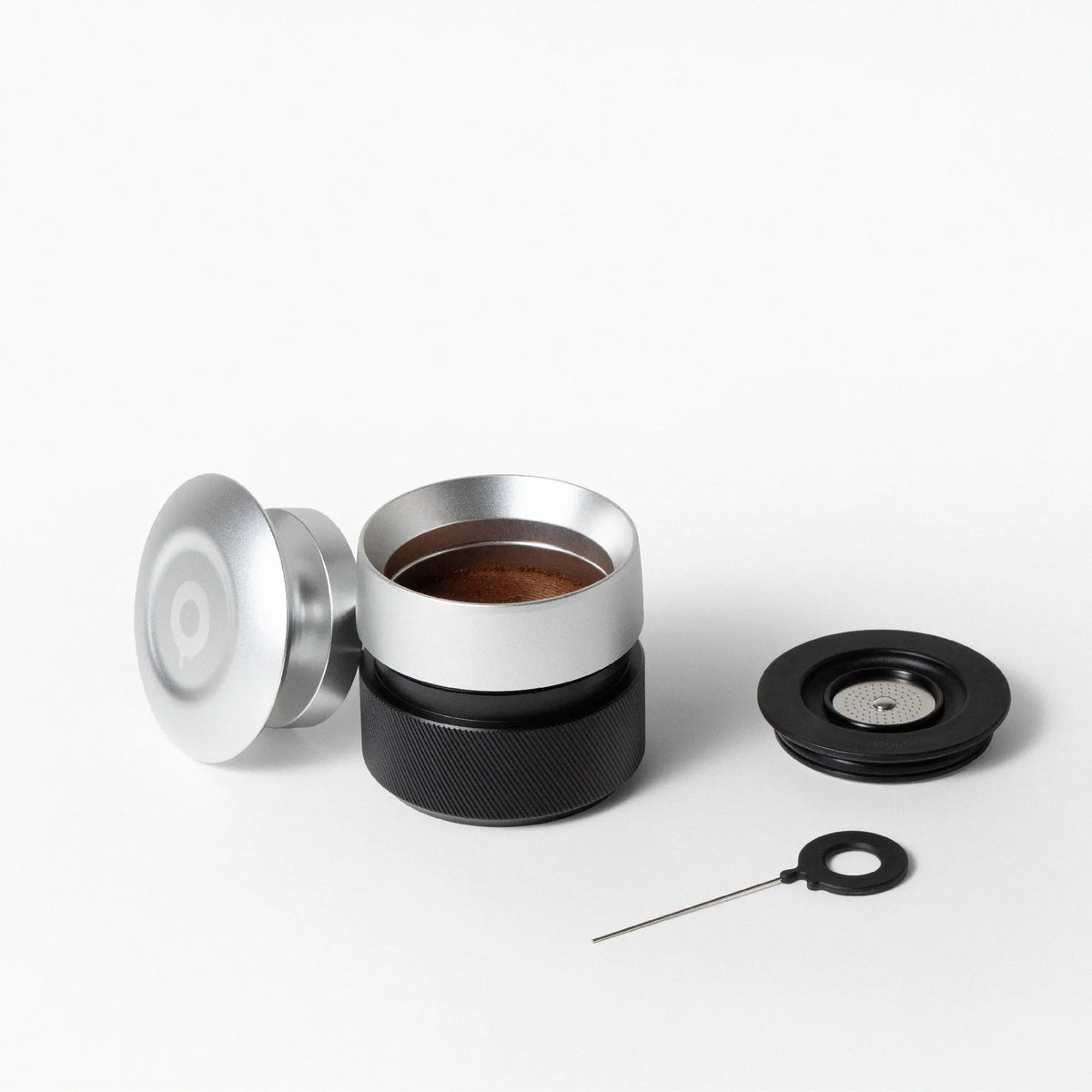
The OutIn Fino Portable Electric Coffee Grinder provides adjustable settings that cover both pour over and French press. That range makes it possible to switch methods without purchasing separate grinders. When changing from one method to the other, adjust the setting first and grind only the amount needed; these coffee grinder use tips also help keep the burrs and grind path clean.

OutIn Fino Portable Electric Coffee Grinder
Ratios and Measurement
Both methods benefit from weighing coffee and water. A ratio near 1:15 to 1:17 is a reasonable starting range for either method, but it is not a mandatory standard. For example, 20 grams of coffee with 300 to 340 grams of water falls within that range.
Adjust by taste rather than changing several variables at once. If the coffee tastes weak but otherwise balanced, use slightly more coffee or less water. If it tastes sharp and underdeveloped, consider a finer grind or longer effective contact. If it tastes dry or harsh, a coarser grind or shorter contact may help.
The OutIn Claro Coffee Scale can weigh the coffee and water for either method. Its Pour-Over Mode tracks water added during a pour, while Standard Mode can measure the full dose used in a French press. Consistent measurement makes comparison more meaningful because the brewing method—not an accidental change in ratio—remains the main variable.

OutIn Claro Coffee Scale
Equipment, Cost, and Portability
Both methods can be affordable. A basic plastic dripper requires filters and a cup or server. A French press combines brewer and serving carafe, although replacing a damaged glass body or worn mesh may add future cost.
Pour over often encourages extra equipment, particularly a gooseneck kettle and scale, because controlled pouring improves repeatability. These tools are helpful but not always required for a simple brew. French press works with a standard kettle because the water is added quickly rather than directed through a precise pattern.
For travel, a lightweight dripper packs small but requires filters and a stable cup. A French press needs more luggage space and can be vulnerable if it uses a glass carafe, though durable metal or plastic models avoid that concern. The better travel choice depends on whether compact packing or an all-in-one brewer matters more.
French Press or Pour Over: Who Should Choose Which?

Match the method to your normal habits rather than the version of coffee preparation you imagine using occasionally:
-
Choose pour over if you enjoy clean texture, distinct origin flavors, and an active brewing ritual.
-
Choose French press if you prefer heavier body, a forgiving process, and convenient multi-cup brewing.
-
Choose pour over if fast disposal of grounds matters more than minimizing filter use.
-
Choose French press if you do not want to buy paper filters and do not mind cleaning a mesh plunger.
-
Keep both if you regularly switch between delicate light-roast coffees and richer blends, because each method can reveal a different side of the beans.
The most useful comparison is to brew the same coffee with the same water and ratio in both devices. Adjust the grind for each method, then taste them side by side after they cool slightly. That test reveals whether you value clarity or body more reliably than a general rule can.
Common Problems When Switching Methods
Using the same grind without adjustment is the most common mistake. A French press grind may let water pass through a pour-over bed too quickly, creating a weak or sour cup. A finer pour-over grind in a French press may increase sediment and make plunging difficult.
Another mistake is copying the time exactly. Four minutes of immersion does not mean a pour over should also drain in exactly four minutes. The methods manage contact differently, so use method-appropriate starting points and judge the cup rather than matching the clock.
Finally, French press coffee should be poured out after brewing. Leaving it in contact with the grounds can continue changing the flavor even after the plunger has been lowered. Pour-over coffee is already separated from its grounds once it reaches the server.
Conclusion
Pour over is the better fit for drinkers who value clarity, defined flavor notes, easy disposal, and hands-on control. French press suits those who want fuller body, a simpler technique, and convenient multi-cup brewing without paper filters.
When the choice is still unclear, brew the same beans with both methods using the same coffee-to-water ratio. The contrast between a clean paper-filtered cup and a textured immersion brew will make the decision easier than specifications alone.
FAQs
Can I use a metal filter for pour over?
Yes. A metal pour-over filter allows more oils and fine particles into the cup than paper, producing greater body. It still behaves as a flow-through brewer, so the result will not be identical to French press.
Can a French press be used for cold brew?
Yes. Coffee and cold water can steep in the press before the plunger separates the grounds. Cold brew requires a much longer steep than hot French press coffee, and the finished concentrate or drink should be refrigerated promptly.
Why does my pour over stall near the end?
A stalled drawdown can result from an overly fine grind, a large amount of fine particles, excessive agitation, or a filter pressed tightly against the brewer’s drainage openings. Change one variable at a time, beginning with a slightly coarser grind.
Should the French press plunger press firmly against the grounds?
No. Lower the plunger slowly and stop when the mesh has separated the liquid from the coffee bed. Forcing it hard against compacted grounds can disturb sediment and may cause hot coffee to splash.
Can decaf coffee be used in both methods?
Yes. Decaf beans work with both pour over and French press. They may respond differently to grinding and extraction, so adjust grind size and brewing time according to taste rather than using a fixed setting.
